
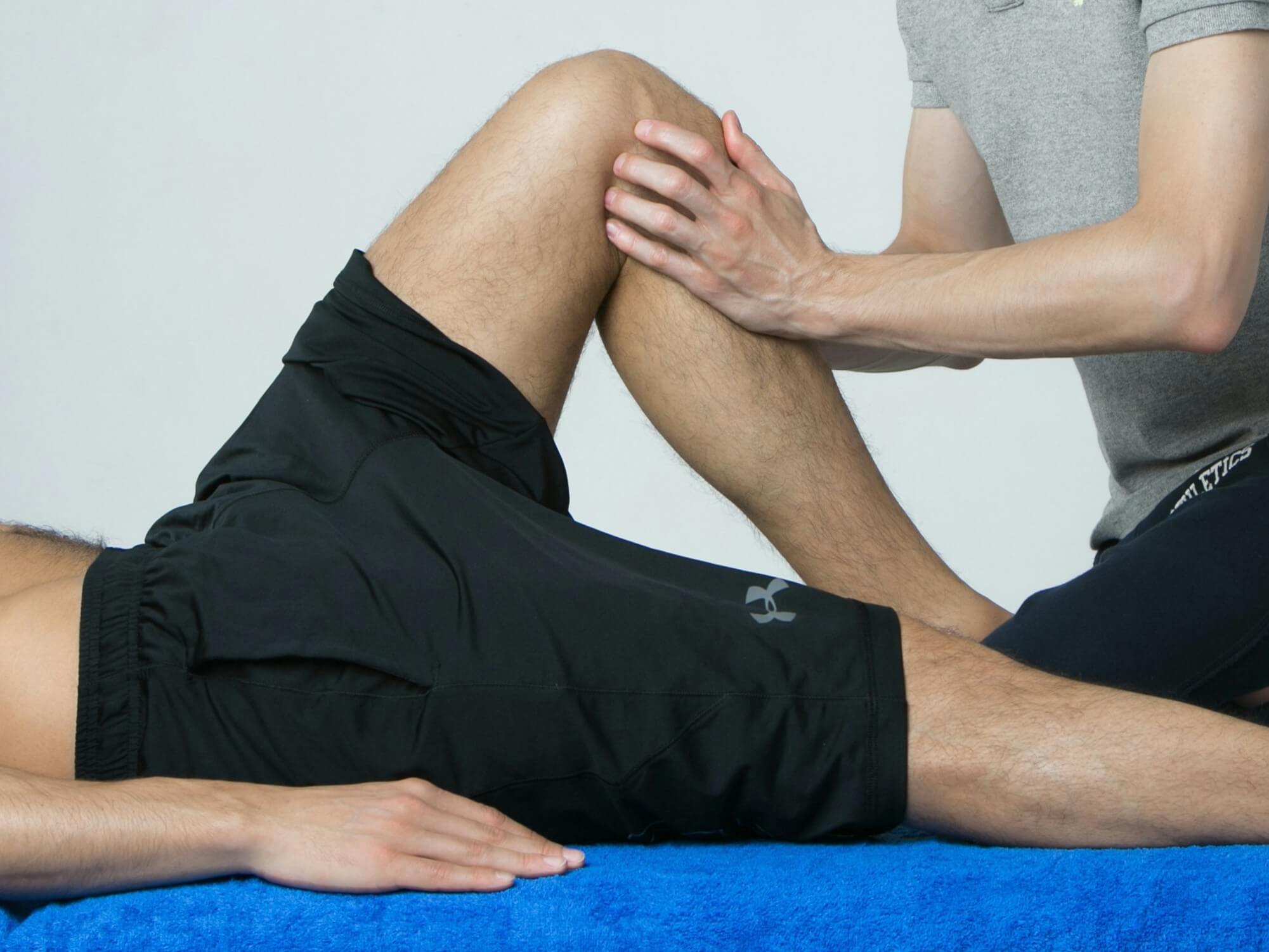
Did you know that around 21% of Americans opted for some form of massage therapy in 2020? This statistic highlights the growing recognition of massage therapy’s benefits, including its potential to alleviate muscle tension. Kee Massage Therapy, a specialised form of treatment, focuses on manipulating soft tissues to promote relaxation and overall well-being.
By incorporating techniques such as energy healing and remedial massage therapy, Kee Massage Therapy can help individuals experiencing muscle tension. This type of therapy is particularly beneficial for those seeking to reduce stress and anxiety, promoting a healthier and more balanced lifestyle.
Key Takeaways
- Kee Massage Therapy is a specialised form of massage therapy.
- It helps alleviate muscle tension through soft tissue manipulation.
- Energy healing and remedial massage therapy are key techniques used.
- Regular massage therapy can promote overall well-being.
- It is beneficial for reducing stress and anxiety.
- Kee Massage Therapy can be tailored to individual needs.
Understanding Muscle Tension: Causes and Effects
Understanding the complexities of muscle tension is crucial for addressing its far-reaching effects on the body. Muscle tension, a condition characterised by the persistent contraction of muscles, can lead to discomfort, pain, and reduced mobility.
What is Muscle Tension?
Muscle tension occurs when muscles remain in a state of contraction for an extended period. This can be due to various factors, including stress, poor posture, or physical injury. When muscles are tense, they can become fatigued, leading to pain and stiffness.
Common Causes of Muscle Tension
Several factors contribute to muscle tension, including:
- Stress and anxiety, which can cause muscles to tighten
- Poor posture, leading to strain on muscles
- Physical overexertion or injury
- Repetitive strain injuries from activities like typing or manual labour
Addressing these causes is essential for managing muscle tension effectively.
Effects of Chronic Muscle Tension
Chronic muscle tension can have significant effects on the body, including:
| Effect | Description |
|---|---|
| Pain and Stiffness | Muscle tension can lead to persistent pain and stiffness, reducing mobility. |
| Reduced Mobility | As muscles become tense, movement can become restricted, affecting daily activities. |
| Increased Stress | Muscle tension can contribute to heightened stress levels, creating a cycle of tension. |
Understanding these effects highlights the importance of addressing muscle tension through appropriate therapies, such as sports massage therapy in Perth, to alleviate discomfort and improve overall well-being.
Introduction to Kee Massage Therapy
With a deep understanding of the human body, Kee Massage Therapy provides expert massage services aimed at reducing muscle tension and enhancing overall well-being. Located in Applecross, Kee Massage Therapy is committed to delivering high-quality remedial massage therapy tailored to the specific needs of each client.
What is Kee Massage Therapy?
Kee Massage Therapy is a form of massage therapy that focuses on promoting relaxation and reducing muscle tension. It encompasses a range of techniques, including Swedish massage, deep tissue massage, and sports massage, to cater to different client requirements.
The therapy is designed to be both therapeutic and relaxing, helping clients to alleviate pain, improve circulation, and enhance their overall quality of life.
History and Philosophy Behind Kee Massage
The philosophy behind Kee Massage Therapy is rooted in the belief that massage is a vital component of maintaining physical and mental health. By understanding the intricate balance of the human body, Kee Massage Therapy aims to address the root causes of muscle tension and promote long-term wellness.
“Massage therapy is not just about relaxation; it’s a powerful tool for healing and maintaining the body’s overall health.”
Techniques Used in Kee Massage Therapy
Kee Massage Therapy employs a variety of techniques to ensure that clients receive the most beneficial treatment. Some of the techniques used include:
- Swedish Massage: A gentle, relaxing form of massage that promotes circulation and eases muscle tension.
- Deep Tissue Massage: Targets the deeper layers of muscle and connective tissue to alleviate pain and stiffness.
- Sports Massage: Designed for athletes and individuals who engage in regular physical activity, this technique helps to prevent injuries and enhance performance.
| Technique | Benefits |
|---|---|
| Swedish Massage | Promotes relaxation, improves circulation, and reduces muscle tension. |
| Deep Tissue Massage | Alleviates pain and stiffness by targeting deeper layers of muscle and connective tissue. |
| Sports Massage | Helps prevent injuries, enhances athletic performance, and aids in recovery. |
By incorporating these techniques into their practice, Kee Massage Therapy in Applecross provides a comprehensive approach to remedial massage therapy, ensuring that clients receive the care they need to achieve optimal health and wellness.
How Massage Therapy Reduces Muscle Tension
Massage therapy is a highly effective method for reducing muscle tension. By applying various techniques, massage therapists can help alleviate the discomfort and pain associated with tense muscles. This section will explore the underlying science behind massage therapy and its benefits in reducing muscle tension.
The Science Behind Massage Therapy
Massage therapy works by stimulating the body’s natural healing processes. It involves the manual manipulation of soft tissue to promote relaxation, improve circulation, and reduce muscle spasms. The therapy can be tailored to address specific areas of tension, making it a versatile treatment for various conditions.
The science behind massage therapy is rooted in its ability to affect the body’s physiological responses. For instance, massage can lower cortisol levels, the hormone associated with stress, while increasing the production of serotonin and dopamine, neurotransmitters that help regulate mood and reduce pain perception.
Physiological Benefits of Reducing Muscle Tension
Reducing muscle tension through massage therapy has several physiological benefits. It can improve blood circulation, which aids in the delivery of oxygen and nutrients to damaged tissues, thereby facilitating the healing process. Enhanced circulation also helps in the removal of waste products, such as lactic acid, which can contribute to muscle soreness.
Furthermore, massage therapy can increase flexibility and range of motion by reducing muscle stiffness and improving joint mobility. This is particularly beneficial for individuals with restricted movement due to injury or chronic conditions.
Psychological Benefits of Massage Therapy
Beyond its physical benefits, massage therapy also has a profound impact on mental well-being. By promoting relaxation and reducing muscle tension, it can help alleviate symptoms of anxiety and depression. The therapy provides a calming, therapeutic environment that fosters a sense of well-being and tranquility.
The psychological benefits of massage therapy are closely linked to its ability to reduce stress and promote relaxation. Lower stress levels can enhance overall mental health, improve mood, and even boost the immune system.
Types of Massage Techniques Offered
The team at Kee Massage Therapy provides an array of massage techniques, each with its unique benefits. Whether you’re seeking relaxation, relief from muscle tension, or improved flexibility, our expert therapists are trained in a variety of modalities to address your specific needs.
Swedish Massage: An Overview
Swedish massage is a gentle, relaxing technique that involves long strokes, kneading, and tapping to promote circulation, ease muscle tension, and reduce stress. It’s an excellent choice for those new to massage or seeking a calming experience.
Benefits of Swedish Massage:
- Promotes relaxation and reduces stress
- Improves circulation and helps to flush out toxins
- Eases muscle tension and improves flexibility
Deep Tissue Massage: How It Works
Deep tissue massage targets the deeper layers of muscle and connective tissue, helping to alleviate pain and stiffness in areas such as the neck, back, and shoulders. This technique is particularly beneficial for individuals suffering from chronic pain or injury.
Key aspects of deep tissue massage include:
- Slow, deliberate strokes to reach deeper muscle layers
- Focused pressure to release tension in specific areas
- Helps to break up scar tissue and promote healing
Sports Massage for Active Individuals
Sports massage is designed for athletes and individuals who engage in regular physical activity. It aims to enhance performance, reduce muscle soreness, and promote recovery. Techniques may include a combination of Swedish massage, deep tissue massage, and stretching.
Benefits for Active Individuals:
- Enhances flexibility and range of motion
- Reduces muscle soreness and promotes recovery
- Can help improve overall performance
Trigger Point Therapy Explained
Trigger point therapy involves applying pressure to specific areas of tension within the muscle to alleviate pain and stiffness. It’s a highly effective technique for addressing chronic pain and improving range of motion.
Key benefits of trigger point therapy:
- Relieves pain and stiffness in targeted areas
- Improves range of motion and reduces muscle tension
- Can be used in conjunction with other massage techniques
The Role of Professional Massage Therapists
Professional massage therapists are the backbone of effective massage therapy, providing personalised care to individuals seeking relief from muscle tension. At Kee Massage Therapy in Perth, our team is dedicated to delivering high-quality remedial massage therapy tailored to the unique needs of each client.
Qualifications and Expertise
Our massage therapists undergo rigorous training and education to ensure they possess the necessary skills and knowledge. This includes completing accredited courses in massage therapy and staying updated with the latest techniques in remedial massage therapy.
Key qualifications of our massage therapists include:
- Diploma or Certificate in Massage Therapy
- Experience in various massage modalities
- Ongoing professional development to stay current with industry advancements
Personalised Approach to Client Needs
Understanding that each client has unique needs and preferences, our massage therapists take a personalised approach to care. This involves conducting thorough consultations to identify specific areas of tension and developing a tailored treatment plan.
“A good massage therapist doesn’t just massage; they listen, understand, and respond to the body’s needs.”
By adopting this personalised approach, we ensure that our clients receive the most effective treatment, enhancing their overall experience and outcomes.
Ongoing Education and Training
The field of massage therapy is continually evolving, with new techniques and research emerging regularly. To stay at the forefront of our profession, our therapists commit to ongoing education and training.
Our commitment to ongoing education includes:
- Attending workshops and seminars on advanced massage techniques
- Participating in continuing professional development programs
- Engaging with the latest research and literature in massage therapy
This dedication to professional growth enables us to offer the highest standard of care to our clients in Perth and beyond.
The Importance of Regular Sessions
For those struggling with persistent muscle tension, regular massage sessions offer a promising solution. Regular massage therapy can lead to significant improvements in overall well-being, reducing muscle tension and improving circulation.
Frequency of Massage Sessions
The frequency of massage sessions depends on individual needs. For some, a monthly massage is sufficient, while others may benefit from more frequent sessions, such as bi-weekly or weekly massages.
To determine the ideal frequency, consider the following factors:
- Nature of your work: If you have a physically demanding job, you may require more frequent massages.
- Level of physical activity: Athletes or individuals who engage in regular physical activity may benefit from more frequent sessions.
- Stress levels: High stress levels can contribute to muscle tension, making regular massages more necessary.
Long-Term Benefits of Consistent Therapy
Consistent massage therapy can lead to numerous long-term benefits, including:
| Benefit | Description |
|---|---|
| Reduced muscle tension | Regular massage can help alleviate muscle tension, improving flexibility and range of motion. |
| Improved circulation | Massage therapy can enhance blood flow, promoting healthy circulation and reducing inflammation. |
| Enhanced overall well-being | Regular massages can contribute to reduced stress levels, improved mood, and enhanced overall well-being. |
Client Testimonials and Success Stories
Don’t just take our word for it – our clients have experienced real benefits from regular massage sessions. Here’s what some of our satisfied clients have to say:
“I’ve noticed a significant reduction in muscle tension since starting regular massages at Kee Massage Therapy in Applecross.”
By incorporating regular massage sessions into your self-care routine, you can experience the energy healing benefits that our clients have enjoyed.
Additional Services Provided by Kee Massage Therapy
Beyond traditional massage, Kee Massage Therapy provides several complementary therapies to promote overall well-being. These additional services are designed to enhance the benefits of massage therapy, offering a more holistic approach to health and relaxation.
Aromatherapy and Its Benefits
Aromatherapy is a therapeutic practice that involves the use of essential oils derived from plants to promote physical and emotional well-being. At Kee Massage Therapy, aromatherapy is integrated into massage sessions to enhance relaxation and reduce stress. The carefully selected essential oils can help alleviate anxiety, improve mood, and even relieve pain.
Benefits of Aromatherapy:
- Reduces stress and anxiety
- Improves mood and promotes relaxation
- Can help relieve pain and inflammation
Cupping Therapy: A Unique Approach
Cupping therapy is an ancient form of alternative medicine where a local suction is created on the skin to promote healing and relaxation. This technique is used to increase blood circulation, reduce muscle tension, and promote the removal of toxins from the body. At Kee Massage Therapy, cupping therapy is offered as a standalone treatment or in conjunction with massage therapy.
The benefits of cupping therapy include:
- Increased blood flow and reduced muscle tension
- Enhanced relaxation and reduced stress
- Potential relief from chronic pain
Hot Stone Massage: Enhanced Relaxation
Hot stone massage is a type of massage therapy that involves the use of heated stones to relax muscles and soothe the body. The stones are typically made of basalt, a volcanic rock that retains heat well. The heat from the stones helps to melt away tension, reduce pain and inflammation, and promote deep relaxation.
Advantages of Hot Stone Massage:
- Deep relaxation and reduced muscle tension
- Relief from pain and inflammation
- Improved circulation and overall well-being
At Kee Massage Therapy, these additional services are designed to work in harmony with our massage therapy treatments, providing a comprehensive approach to health and wellness. Whether you’re seeking relief from stress, pain, or simply looking to enhance your overall well-being, our team is here to support you.
The Health Benefits of Reduced Muscle Tension
By decreasing muscle tension, individuals can experience a range of health improvements, enhancing their quality of life. Reduced muscle tension is associated with various benefits, making it an essential aspect of overall wellness for individuals in Belmont, Perth.
Improved Mobility and Flexibility
One of the primary benefits of reduced muscle tension is improved mobility and flexibility. When muscles are relaxed, individuals can move more freely, perform daily tasks with ease, and engage in physical activities without discomfort. As noted by a wellness expert, “Regular massage therapy can increase flexibility by reducing muscle tension and improving range of motion.” This is particularly beneficial for individuals who lead active lifestyles or have demanding physical jobs.
| Benefit | Description |
|---|---|
| Enhanced Flexibility | Reduced muscle tension allows for greater range of motion, making daily activities easier. |
| Improved Mobility | Relaxed muscles enable individuals to move more freely, reducing the risk of injury. |
Stress Reduction and Mental Clarity
Reducing muscle tension also has a profound impact on mental well-being. As muscle tension decreases, so does stress, leading to a clearer and more focused mind. A study found that “massage therapy can reduce stress and anxiety by releasing tension in the muscles.” This can be particularly beneficial for individuals experiencing high levels of stress or anxiety.
“Massage therapy has been shown to reduce symptoms of anxiety and depression by promoting relaxation and reducing muscle tension.”
Enhanced Overall Well-Being
The overall well-being of an individual is significantly enhanced when muscle tension is reduced. This is because relaxed muscles contribute to a sense of calm and relaxation, improving overall health. As highlighted by a health professional, “A reduction in muscle tension can lead to improved sleep quality, which is essential for overall well-being.” Furthermore, reduced muscle tension can also boost the immune system, as chronic tension can weaken immune function.
- Improved sleep quality
- Enhanced immune function
- Increased sense of calm and relaxation
In conclusion, reducing muscle tension can lead to numerous health benefits, including improved mobility and flexibility, stress reduction, and enhanced overall well-being. By incorporating massage therapy into their routine, individuals in Belmont, Perth, can experience these benefits firsthand.
Incorporating Self-Care Practices
By adopting simple self-care practices, individuals can effectively alleviate muscle tension and improve their quality of life. Self-care is an essential component of maintaining overall well-being, particularly when it comes to managing muscle tension.
Simple Stretches for Daily Relief
Incorporating simple stretches into your daily routine can help reduce muscle tension. Focus on stretches that target areas prone to tension, such as the neck, shoulders, and lower back. For example, a simple neck stretch involves slowly tilting your head to one side, bringing your ear towards your shoulder, and holding for 30 seconds before repeating on the other side.
- Neck Stretch: Tilt your head to the side, bringing your ear towards your shoulder.
- Shoulder Rolls: Roll your shoulders forward and backward in a circular motion.
- Lower Back Stretch: Stand with your feet shoulder-width apart and gently lean back, stretching your lower back.
Breathing Exercises to Manage Tension
Breathing exercises are another effective way to manage muscle tension. Techniques such as diaphragmatic breathing can help calm the mind and relax the muscles. To practice diaphragmatic breathing, sit comfortably with your back straight, place one hand on your belly and the other on your chest, and breathe in deeply through your nose, allowing your belly to rise while your chest remains still.
“The way we breathe can significantly impact our state of relaxation and muscle tension.”
Nutrition and Hydration Tips
Adequate nutrition and hydration are crucial for maintaining muscle health. Ensure you’re consuming a balanced diet rich in fruits, vegetables, whole grains, and lean proteins. Staying hydrated by drinking plenty of water throughout the day is also vital, as dehydration can exacerbate muscle tension.
| Nutrient | Benefit | Food Sources |
|---|---|---|
| Magnesium | Relaxes muscles, reduces tension | Dark leafy greens, nuts, seeds |
| Potassium | Helps with muscle recovery, reduces cramping | Bananas, avocados, sweet potatoes |
| Omega-3 Fatty Acids | Reduces inflammation, promotes healing | Fatty fish, flaxseeds, walnuts |
Incorporating these self-care practices into your daily life can lead to significant improvements in muscle tension and overall well-being. By making simple changes to your routine, you can take a proactive approach to managing muscle tension and enhancing your quality of life.
FAQs About Muscle Tension and Massage
For those new to massage therapy, it’s natural to have questions about the treatment and its effects. At Kee Massage Therapy in Perth, we’re committed to providing a comfortable and relaxing experience tailored to your needs.
How Does Massage Feel?
Massage therapy can feel incredibly relaxing and soothing. The techniques used in remedial massage therapy are designed to ease muscle tension, improve circulation, and promote overall well-being. You might feel a sense of deep relaxation during and after the treatment.
- Relaxation Response: Many clients report feeling a significant reduction in stress and anxiety.
- Pain Relief: Targeted techniques can help alleviate pain associated with muscle tension.
- Improved Mobility: Regular massage can enhance flexibility and range of motion.
What Should I Expect During My First Visit?
During your initial visit to Kee Massage Therapy, you’ll begin with a consultation to discuss your specific needs and health history. This information helps us tailor the massage to address your particular concerns, whether it’s chronic pain, stress, or simply relaxation.
- Consultation: A brief discussion to understand your health and what you hope to achieve from the massage.
- Customized Treatment: The massage therapist will then design a treatment plan based on your needs.
- Post-Treatment Advice: After the massage, you’ll receive guidance on stretches, self-care, and potentially further treatments.
Are There Any Risks Involved?
Massage therapy is generally considered safe when performed by a qualified professional. At Kee Massage Therapy in Perth, our therapists are trained to ensure a safe and beneficial experience. However, as with any therapy, there are some potential risks and contraindications, such as certain health conditions or injuries.
It’s essential to disclose any health concerns during your initial consultation so we can adapt the treatment accordingly.
Scheduling Your First Appointment
Now that you understand the benefits of Kee Massage Therapy, it’s time to experience it for yourself. Scheduling a massage appointment is straightforward. You can contact Kee Massage Therapy by visiting their website or calling their clinic in Belmont or Applecross directly.
Contacting Kee Massage Therapy
To book your appointment, simply reach out to Kee Massage Therapy via phone or email. Their friendly staff will guide you through the available time slots and help you choose a date and time that suits you.
Preparing for Your Visit
Before your visit, ensure you’re well-hydrated and wear comfortable clothing. Arriving a few minutes early will give you time to complete any necessary paperwork and get settled before your massage.
Your First Massage Experience
During your first massage, your therapist will discuss your specific needs and areas of tension. They will then tailor the massage to address these areas, ensuring a personalized and relaxing experience.
FAQ
What is muscle tension and how does it affect the body?
Muscle tension refers to the state of muscle tightness or stiffness, often caused by stress, overuse, or injury. It can lead to discomfort, pain, and reduced mobility, affecting overall well-being.
How does Kee Massage Therapy help reduce muscle tension?
Kee Massage Therapy utilises various techniques, including Swedish massage, deep tissue massage, and trigger point therapy, to relax muscles, improve circulation, and reduce tension.
What can I expect during my first visit to Kee Massage Therapy?
During your first visit, you can expect a thorough consultation to discuss your needs and concerns, followed by a personalised massage treatment tailored to your specific requirements.
Are there any risks involved with massage therapy?
While massage therapy is generally considered safe, there may be some temporary discomfort or bruising, especially if you have underlying medical conditions. It’s essential to discuss any concerns with your massage therapist before treatment.
How often should I get a massage to experience the benefits of Kee Massage Therapy?
The frequency of massage sessions depends on individual needs, but regular sessions, ideally once a week or every two weeks, can help maintain reduced muscle tension and overall well-being.
Can Kee Massage Therapy help with stress and anxiety?
Yes, Kee Massage Therapy can help alleviate stress and anxiety by promoting relaxation, reducing muscle tension, and improving mood.
Do I need to prepare anything before my massage appointment?
It’s recommended to arrive 10-15 minutes before your appointment, avoid eating a heavy meal beforehand, and wear comfortable clothing to ensure a relaxing experience.
What additional services does Kee Massage Therapy offer?
Kee Massage Therapy offers aromatherapy, cupping therapy, and hot stone massage, which can be used in conjunction with massage therapy to enhance relaxation and overall well-being.
Can I combine Kee Massage Therapy with other forms of therapy or treatment?
Yes, Kee Massage Therapy can be used in conjunction with other forms of therapy or treatment, such as physiotherapy or chiropractic care, to enhance overall benefits. It’s essential to consult with your healthcare professional before combining therapies.