
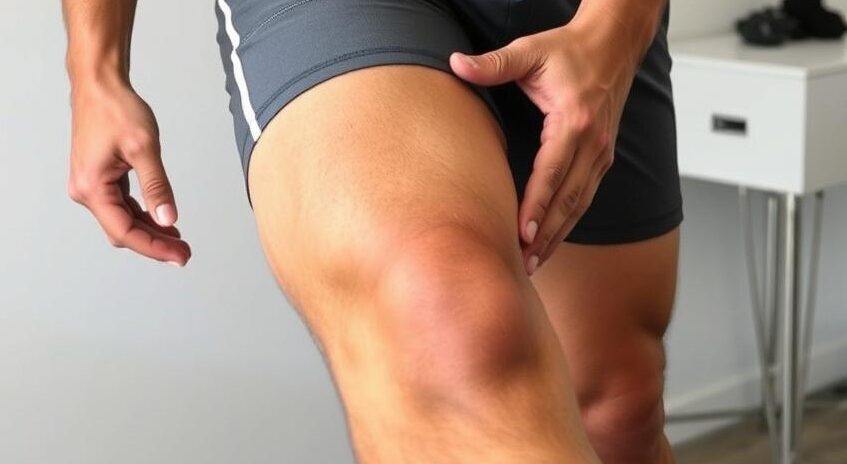
AFL injuries can be a significant setback for athletes, with shoulder pain & bursitis being among the most common complaints. The physical demands of the sport often lead to debilitating injuries that can keep players sidelined for extended periods.
Massage therapy offers a natural and effective way to alleviate shoulder pain and promote recovery. By incorporating specific massage techniques, individuals can experience relief from AFL-related injuries, getting them back on the field faster.
Key Takeaways
- Massage therapy can help alleviate AFL injuries, including bursitis and shoulder pain.
- Specific massage techniques can promote recovery and reduce downtime.
- Natural and effective, massage therapy is a valuable treatment option.
- AFL athletes can benefit from regular massage therapy sessions.
- Relieve symptoms and get back on the field with targeted massage therapy.
Understanding Jaw & TMJ Pain and Its Impact
Understanding the complexities of jaw pain and TMJ disorders is crucial for those seeking relief from these debilitating conditions.
Jaw pain can manifest in various ways, including sharp pains, aching, or stiffness in the jaw area. It can be a symptom of an underlying condition that needs attention.
What is Jaw Pain?
Jaw pain refers to discomfort or pain in the jaw area, which can be caused by a variety of factors including teeth grinding, jaw injuries, or temporomandibular joint disorders.
The severity of jaw pain can vary significantly among individuals. While some may experience mild discomfort, others may have severe pain that interferes with their daily activities.
Overview of TMJ Disorders
TMJ disorders, also known as temporomandibular disorders (TMD), affect the temporomandibular joint and the muscles that control jaw movement.
These disorders can cause pain in the jaw joint and surrounding muscles, leading to symptoms such as clicking or grating sounds when opening or closing the mouth, and limited jaw movement.
| Condition | Symptoms | Common Causes |
|---|---|---|
| Jaw Pain | Pain or tenderness in the jaw, clicking or grating sounds | Teeth grinding, jaw injuries, TMJ disorders |
| TMJ Disorders | Pain in the jaw joint, limited jaw movement, clicking sounds | Jaw injuries, arthritis, misalignment of the jaw |
Understanding these conditions is the first step towards finding relief. By recognizing the symptoms and causes, individuals can seek appropriate treatment to alleviate their discomfort.
Statistics on Jaw Pain and TMJ Disorders
Understanding the statistics behind jaw pain and TMJ disorders is crucial for addressing this growing health concern. Recent studies have provided valuable insights into the prevalence and demographic distribution of these conditions in Australia.
Prevalence in Australia
Research indicates that TMJ disorders affect a significant portion of the Australian population. According to a study published in the Australian Dental Journal, approximately 17% to 33% of adults experience TMJ disorders at some point in their lives (Australian Dental Journal, 2018). This prevalence underscores the need for effective treatment options, including massage therapy.
The prevalence of jaw pain and TMJ disorders varies across different regions in Australia, with urban areas reporting higher incidence rates compared to rural areas. This variation could be attributed to differences in lifestyle, stress levels, and access to healthcare services.
Demographic Insights
Demographic analysis reveals that certain age groups and genders are more prone to jaw pain and TMJ disorders. Women are more likely to experience TMJ disorders than men, with the condition being most prevalent among young adults (Journal of Oral Rehabilitation, 2020). Understanding these demographic trends is essential for targeted interventions and treatment strategies.
The impact of jaw pain and TMJ disorders on different demographics also varies, with younger individuals potentially experiencing more significant disruptions to their daily activities and quality of life. Effective management strategies, including massage therapy, can play a crucial role in mitigating these impacts.
Common Symptoms of Jaw & TMJ Pain
Recognizing the signs of jaw and TMJ pain is the first step towards relief. Jaw and TMJ disorders can manifest through a variety of symptoms that affect not just the jaw but also surrounding areas.
Primary Symptoms
The primary symptoms of jaw pain and TMJ disorders include pain or tenderness in the jaw, clicking or popping sounds when opening or closing the mouth, and limited mobility or locking of the jaw. These symptoms can significantly impact daily activities such as eating, speaking, and even yawning.
Some individuals may experience pain or discomfort that radiates to other areas, including the face, ears, or neck. This pain can be constant or may come and go, varying in intensity.
Associated Symptoms
In addition to the primary symptoms, associated symptoms can include headaches, earaches, or facial pain. Some people may also experience shoulder or neck pain, which can be related to the tension caused by TMJ disorders.
Other associated symptoms may involve ringing in the ears (tinnitus) or a feeling of fullness or pressure in the ears. These symptoms can be distressing and affect overall quality of life.
It’s essential to consult a healthcare professional if you’re experiencing any of these symptoms. Proper diagnosis and treatment can provide relief and prevent the condition from worsening.
Types of Jaw & TMJ Disorders
Understanding the different types of jaw and TMJ disorders is crucial for effective treatment. These conditions can vary significantly in their symptoms and impact on the patient.
Myofascial Pain Syndrome
Myofascial pain syndrome is a chronic condition that affects the muscles surrounding the jaw, leading to pain and discomfort. It is often associated with TMJ disorders and can be characterized by tender points in the muscles.
Key characteristics of myofascial pain syndrome include:
- Pain in the jaw, face, or neck
- Tender points in the affected muscles
- Muscle stiffness and limited range of motion
TMJ Dysfunction
TMJ dysfunction refers to problems with the temporomandibular joint, which connects the jawbone to the skull. This condition can cause pain and discomfort in the jaw, as well as clicking or locking of the jaw.
The symptoms of TMJ dysfunction can vary but often include:
| Symptom | Description |
|---|---|
| Jaw pain | Pain or tenderness in the jaw joint or surrounding area |
| Clicking or popping | Clicking, popping, or grating sounds when opening or closing the mouth |
| Locking | Difficulty opening or closing the mouth fully |
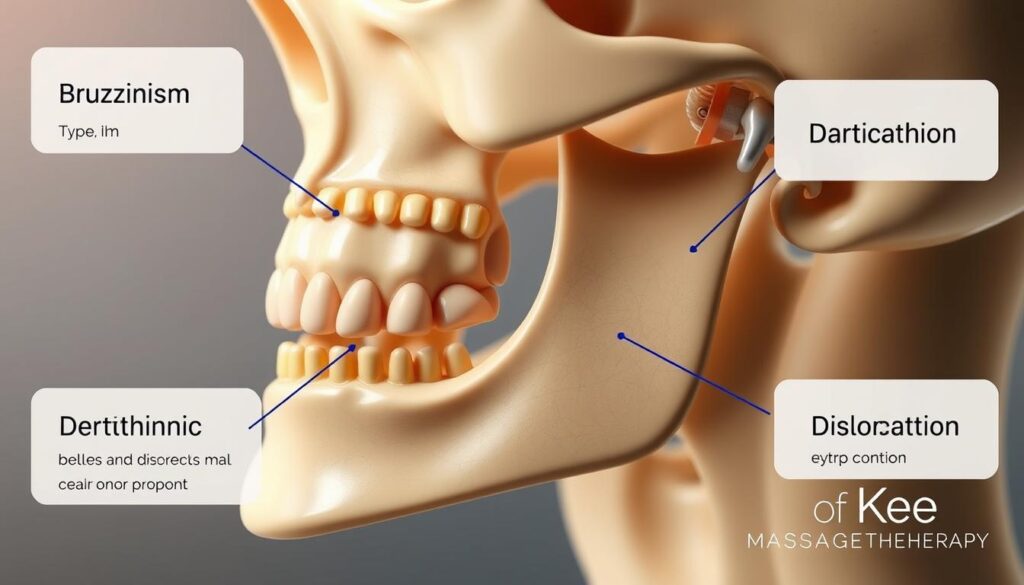
Both myofascial pain syndrome and TMJ dysfunction can significantly impact a person’s quality of life, making it essential to seek professional help for proper diagnosis and treatment.
Main Causes of Jaw & TMJ Pain
The causes of jaw and TMJ pain are multifaceted, involving both muscular tension and structural anomalies. Understanding these underlying factors is crucial for developing an effective treatment plan.
Muscular Issues
Muscular tension and imbalance are significant contributors to jaw pain. When the muscles that control jaw movement become strained or inflamed, it can lead to pain and discomfort. This tension can be caused by a variety of factors, including stress and anxiety, which often manifest physically as clenching or grinding of the teeth.
Additionally, poor posture can lead to strain on the muscles of the jaw and face, contributing to pain. Muscular issues can also arise from overuse or repetitive strain, such as frequent gum chewing or consuming hard foods.
Structural Problems
Structural issues, such as misaligned teeth or a crooked jaw, can also play a significant role in TMJ pain. When the jaw is not properly aligned, it can put strain on the TMJ, leading to pain and dysfunction. Misaligned teeth can cause uneven distribution of bite force, leading to strain on the jaw joint.
Furthermore, arthritis or other degenerative conditions can affect the TMJ, causing pain and limiting its mobility. In some cases, a traumatic injury to the jaw can also lead to structural problems and associated pain.
Addressing both muscular issues and structural problems is essential for effectively managing jaw and TMJ pain. By understanding the underlying causes, individuals can seek appropriate treatment, whether it involves massage therapy, dental adjustments, or other interventions.
How Massage Therapy Can Help
Massage therapy offers a promising solution for individuals suffering from jaw pain and TMJ disorders. By focusing on the muscles surrounding the jaw, massage can help alleviate tension and improve joint mobility.
Benefits of Massage for Jaw Pain
The benefits of massage therapy for jaw pain relief are multifaceted. Massage can reduce muscle tension, improve blood flow, and promote relaxation. Regular massage sessions can lead to significant reductions in pain and discomfort.
- Relaxation of the jaw muscles
- Improved joint mobility
- Reduced pain and inflammation
Massage therapy is not just a temporary solution; it can be a long-term strategy for managing jaw pain. By incorporating massage into your routine, you can experience lasting relief from the symptoms of TMJ disorders.
Techniques Used in Treatment
Several massage techniques are particularly effective for treating jaw pain and TMJ disorders. These include:
- Trigger Point Therapy: Targets specific areas of tension in the muscles.
- Myofascial Release: Focuses on releasing tension in the fascia, the tissue surrounding muscles.
- Swedish Massage: Promotes relaxation and improves blood flow.
By combining these techniques, massage therapists can tailor treatments to address the specific needs of each client, providing effective relief from jaw pain and TMJ disorders.
Specific Massage Techniques for Jaw Relief
Trigger point therapy and myofascial release are two effective massage techniques used to treat jaw pain and TMJ disorders. These methods target the root causes of discomfort, providing relief and improving quality of life.
At Kee Massage Therapy, our experienced therapists are trained in various massage techniques to address jaw pain. By understanding the underlying causes of TMJ disorders, we can tailor our approach to meet individual needs.
Trigger Point Therapy
Trigger point therapy involves applying pressure to specific areas of the muscle to release tension. This technique is particularly effective for relieving pain in the jaw, face, and surrounding areas. By releasing trigger points, we can reduce pain and improve range of motion.
Benefits of Trigger Point Therapy:
- Relieves pain and stiffness in the jaw and face
- Improves range of motion and reduces muscle tension
- Enhances overall relaxation and reduces stress
Myofascial Release
Myofascial release is a technique that targets the connective tissue surrounding muscles, known as fascia. By releasing tension in the fascia, we can improve blood flow and reduce pain. This technique is particularly beneficial for individuals with TMJ disorders.
Myofascial release can help:
- Reduce pain and inflammation in the jaw and surrounding areas
- Improve flexibility and range of motion
- Enhance overall well-being by reducing muscle tension
By incorporating these techniques into your treatment plan, you can experience significant relief from jaw pain and TMJ disorders. At Kee Massage Therapy, we are committed to helping you achieve optimal health and well-being.
Choosing the Right Massage Therapist
The effectiveness of massage therapy largely depends on choosing a qualified therapist. When seeking relief from jaw and TMJ pain, it’s crucial to find a professional who understands your specific needs.
What to Look For
A good massage therapist should have the right qualifications and experience in treating conditions like TMJ disorders. Look for therapists who are registered with professional bodies such as the Australian Association of Massage Therapists.
Here are some key factors to consider:
- Relevant certifications and qualifications
- Experience in treating TMJ and jaw pain
- Client testimonials and reviews
- Therapeutic approach and techniques used
Importance of Experience
An experienced massage therapist will have a deeper understanding of the complexities involved in treating TMJ disorders. They can tailor their techniques to suit your specific condition, ensuring more effective treatment.
| Qualities to Look for | Benefits |
|---|---|
| Relevant Experience | Tailored treatment plans |
| Professional Qualifications | Assurance of competent care |
| Positive Client Reviews | Proven track record of success |
By choosing a massage therapist with the right experience and qualifications, you can ensure that you receive the best possible care for your jaw and TMJ pain.

Kee Massage Therapy: Our Approach
Our team at Kee Massage Therapy is passionate about delivering exceptional massage therapy experiences. We understand that every individual has unique needs, and we tailor our services to address these specific requirements.
Overview of Services
Kee Massage Therapy offers a comprehensive range of massage services designed to promote overall well-being. Our services include:
- Relaxation Massage: Aids in reducing stress and promoting relaxation.
- Sports Massage: Helps in improving flexibility and reducing muscle tension.
- Therapeutic Massage: Targets specific areas of pain and tension.
| Service | Description | Benefits |
|---|---|---|
| Relaxation Massage | A gentle massage technique | Reduces stress, promotes relaxation |
| Sports Massage | Targets muscle tension | Improves flexibility, reduces injury risk |
| Therapeutic Massage | Focuses on areas of pain | Relieves shoulder pain, aids in bursitis treatment |
Client Testimonials
Our clients have experienced significant benefits from our massage therapy services. Here are some testimonials:
“Kee Massage Therapy has been a lifesaver for my shoulder pain. The therapists are professional and caring.” –
“I was skeptical at first, but the therapeutic massage I received was truly effective in relieving my tension.” –
At Kee Massage Therapy, we are committed to providing the best possible care for our clients. Our experienced therapists are dedicated to helping you achieve optimal well-being through our expert massage therapy services.
How to Book an Appointment
To start your journey to relief from jaw and TMJ pain, simply book an appointment with us through our website or by getting in touch. At Kee Massage Therapy, we have made it easy to secure a time that suits you.
Online Booking Process
Our online booking system is designed to be user-friendly, allowing you to select a time that fits your schedule. Simply visit our website, navigate to the booking page, and follow the prompts to secure your appointment.
Contact Information
If you prefer to book by phone or have questions before booking, our contact information is as follows:
| Contact Method | Details |
|---|---|
| Phone | 1800-KEEPain (1800-533-724) |
| info@keemassagetherapy.com.au | |
| Address | 123 Main St, Melbourne VIC 3000 |
Frequently Asked Questions About TMJ Pain
If you’re experiencing TMJ pain, you’re likely to have many questions about what it is and how to manage it. TMJ pain can be a significant source of discomfort, affecting not just the jaw but also the surrounding areas.
Causes and Effects
TMJ pain can be caused by a variety of factors, including muscular tension, structural issues within the jaw joint, and habits such as teeth grinding or clenching. Understanding these causes is crucial for effective management.
Common Causes of TMJ Pain:
- Muscular tension due to stress or overuse
- Structural issues within the TMJ
- Teeth grinding or clenching
- Arthritis or other inflammatory conditions
Can Massage Therapy Help?
Massage therapy is a recognized treatment for TMJ pain, offering relief by relaxing the muscles around the jaw and improving joint mobility. Techniques such as trigger point therapy and myofascial release are particularly effective.
Benefits of Massage Therapy for TMJ Pain:
| Benefit | Description |
|---|---|
| Relaxation of Muscles | Reduces tension in the jaw and surrounding areas |
| Improved Joint Mobility | Enhances the range of motion and reduces stiffness |
| Pain Relief | Decreases pain by releasing trigger points and reducing inflammation |
By addressing the root causes of TMJ pain and utilizing effective treatments like massage therapy, individuals can find significant relief from this condition.
Conclusion: Take Action for Relief Today
Seeking treatment is essential for relieving TMJ pain and improving overall health. By incorporating massage therapy into your treatment plan, you can experience significant relief from TMJ pain and enhance your overall well-being.
Seeking Professional Help
If you’re experiencing persistent jaw pain or TMJ disorders, it’s crucial to consult a professional massage therapist. They can help identify the underlying causes of your pain and provide personalized treatment to alleviate your symptoms.
At Kee Massage Therapy, our experienced therapists are dedicated to helping you achieve relief from TMJ pain and improve your overall health. By booking an appointment, you can take the first step towards a pain-free life.
Prioritizing Your Health
Your health is paramount, and seeking treatment for TMJ pain is a vital step in maintaining your overall well-being. Don’t let TMJ pain hold you back from enjoying life to the fullest. With massage therapy, you can find relief and improve your quality of life.
By taking action today, you can start experiencing the benefits of massage therapy for TMJ pain relief and shoulder pain relief, ultimately enhancing your health importance.
FAQ
What are the common symptoms of TMJ disorders?
Common symptoms of TMJ disorders include jaw pain, clicking or popping sounds when opening or closing the mouth, limited mobility, and associated symptoms such as headaches and earaches.
Can massage therapy cure TMJ disorders?
While massage therapy can’t cure TMJ disorders, it can help alleviate symptoms by relaxing the muscles surrounding the jaw, reducing pain, and improving joint mobility. It’s often used in conjunction with other treatments for optimal results.
What causes TMJ pain?
TMJ pain can be caused by a range of factors, including muscular tension, structural issues, teeth grinding, and misalignment of the teeth or jaw. Massage therapy can help address some of these underlying causes.
What is the role of trigger point therapy in treating TMJ pain?
Trigger point therapy involves applying pressure to specific areas to release tension in the muscles surrounding the jaw, helping to alleviate TMJ pain and improve joint mobility.
How can I find a qualified massage therapist to treat my TMJ pain?
When choosing a massage therapist, look for qualifications, experience, and areas of specialization, such as treating TMJ disorders and shoulder pain relief. A skilled therapist can help you develop a treatment plan tailored to your needs.
Can massage therapy help with shoulder pain and bursitis?
Yes, massage therapy can help alleviate shoulder pain and bursitis by reducing inflammation, relaxing the muscles, and improving joint mobility. Techniques such as myofascial release and trigger point therapy can be particularly effective.
What are some exercises I can do to help manage shoulder pain and TMJ disorders?
Gentle exercises, such as shoulder rolls and jaw stretches, can help improve mobility and reduce pain. A massage therapist or healthcare professional can recommend specific exercises tailored to your needs.
How can I book an appointment with Kee Massage Therapy?
You can book an appointment with Kee Massage Therapy online or by contacting them directly. Their team will work with you to schedule a time that suits your needs.