
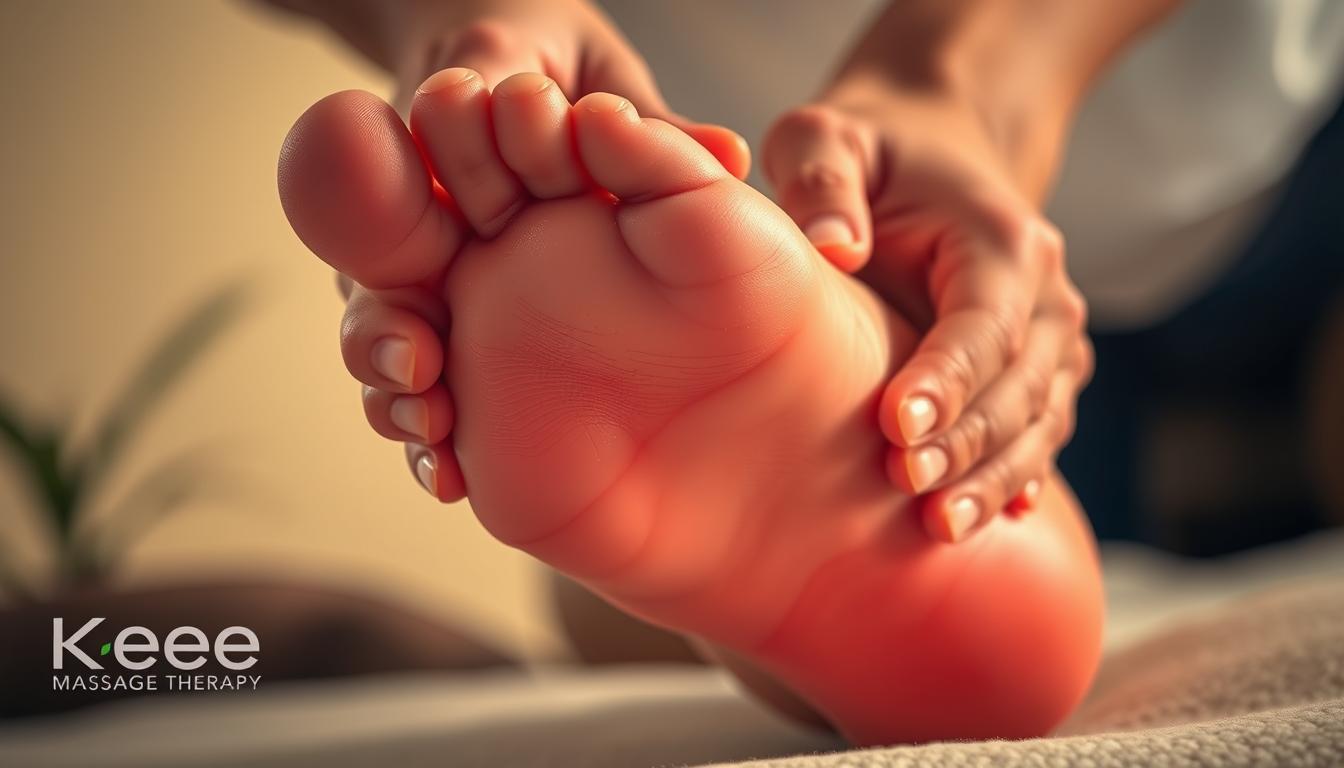
Did you know that plantar fasciitis is one of the most common causes of heel pain, affecting millions of people worldwide?
This condition involves inflammation and irritation of a thick band of tissue that connects the heel bone to the ball of the foot. Kee Massage Therapy offers an effective solution for those suffering from this debilitating condition.
By incorporating energy healing techniques, Kee Massage Therapy can help alleviate the pain and discomfort associated with plantar fasciitis, promoting overall well-being.
Key Takeaways
- Understanding the causes and symptoms of plantar fasciitis.
- The benefits of Kee Massage Therapy in treating plantar fasciitis.
- How energy healing can complement traditional treatments.
- Tips for managing heel pain and preventing future occurrences.
- The importance of seeking professional help for persistent pain.
Understanding Plantar Fasciitis
The plantar fascia, a band of tissue supporting the arch of the foot, can become inflamed and painful, a condition known as plantar fasciitis. This inflammation can result from a variety of factors, including overuse, poor foot mechanics, and inadequate footwear.
What is Plantar Fasciitis?
Plantar fasciitis is characterised by inflammation of the plantar fascia, a thick band of tissue that runs across the bottom of the foot. This condition can cause significant pain, especially with the first steps after waking or after periods of rest. The pain is often sharp and stabbing, and it can significantly impact daily activities.
Common Symptoms to Watch For
The symptoms of plantar fasciitis can vary, but they typically include:
- Heel pain that worsens with the first steps in the morning
- Pain in the bottom of the foot, especially after standing for long periods
- Sharp pain when climbing stairs or getting up from a seated position
- Swelling or redness on the bottom of the foot
These symptoms can be exacerbated by activities that involve running, jumping, or prolonged standing.
Causes and Risk Factors
Several factors contribute to the development of plantar fasciitis, including:
- Overuse or repetitive strain on the heel
- Poor foot mechanics, such as flat feet or high arches
- Inadequate footwear that lacks sufficient arch support
- Tight calf muscles or Achilles tendons
- Age, as plantar fasciitis is more common among individuals over 40
Understanding these causes and risk factors is crucial for prevention and treatment. Remedial and sports massage therapy can play a significant role in managing the condition by addressing the underlying issues.
The Science Behind Massage Therapy
Understanding the science behind massage therapy can reveal its effectiveness in treating plantar fasciitis and other musculoskeletal disorders. Massage therapy involves various techniques that manipulate soft tissues, including muscles, tendons, and ligaments, to promote healing and relaxation.
Muscle and Tissue Effects
Massage therapy affects muscles and tissues by increasing blood flow, reducing muscle tension, and breaking down adhesions. This can lead to improved flexibility and reduced pain. In the context of plantar fasciitis, massage can help alleviate tension in the foot and calf, areas commonly affected by this condition.
The manipulation of soft tissues during massage therapy can also stimulate the release of various biochemicals, including endorphins, which are the body’s natural painkillers. This biochemical response contributes to the pain-relieving effects of massage.
Pain Relief Benefits
The benefits of massage therapy for pain relief are multifaceted. By reducing inflammation, improving circulation, and releasing tension in the muscles, massage can significantly alleviate pain associated with plantar fasciitis. Regular massage therapy sessions in Belmont or your local area can be a valuable component of a comprehensive treatment plan.
Moreover, massage therapy is a non-invasive approach to pain management, offering a valuable alternative or complement to traditional treatments. Its effectiveness in providing pain relief makes it an attractive option for those seeking to manage plantar fasciitis symptoms.
How Kee Massage Therapy Approaches Plantar Fasciitis
Kee Massage Therapy offers a tailored approach to addressing plantar fasciitis, focusing on the unique needs of each client. Our experienced therapists in Perth understand that every individual’s experience with plantar fasciitis is different, which is why we develop customized treatment strategies to address the root causes of the condition.
Customized Treatment Plans
At Kee Massage Therapy, we believe that a one-size-fits-all approach is not effective in treating plantar fasciitis. Instead, we create personalized treatment plans that take into account the client’s medical history, lifestyle, and specific symptoms. This approach enables us to target the underlying causes of plantar fasciitis and provide effective relief.
Our customized treatment plans may include a combination of massage techniques, stretching exercises, and lifestyle advice tailored to the individual’s needs. By addressing the condition from multiple angles, we can help clients achieve lasting relief from plantar fasciitis symptoms.
Techniques Used in Therapy
Our therapists employ a range of techniques to treat plantar fasciitis, including:
- Deep tissue massage to release tension in the plantar fascia and surrounding tissues.
- Trigger point therapy to alleviate pain and stiffness in the foot and calf.
- Myofascial release to improve flexibility and reduce inflammation.
The specific techniques used will depend on the individual’s condition and treatment plan. Our therapists work closely with clients to ensure that the treatment is comfortable and effective.
| Therapy Technique | Benefits |
|---|---|
| Deep Tissue Massage | Relieves tension in the plantar fascia and surrounding tissues. |
| Trigger Point Therapy | Alleviates pain and stiffness in the foot and calf. |
| Myofascial Release | Improves flexibility and reduces inflammation. |
The Role of Stretching in Treatment
Effective management of plantar fasciitis involves a combination of therapies, with stretching being a key component. Stretching can help alleviate the strain on the plantar fascia, reduce pain, and improve mobility.
Importance of Foot and Calf Stretches
Stretching exercises, particularly those targeting the foot and calf, are crucial in the treatment of plantar fasciitis. The calf muscles are connected to the heel bone via the Achilles tendon, and tight calf muscles can exacerbate plantar fasciitis symptoms. By stretching these areas, individuals can reduce tension and promote healing.
As noted by a leading physiotherapist, “Stretching is not just about relieving pain; it’s about creating a more resilient foot and ankle structure.”
“The goal is to make the plantar fascia and surrounding tissues more flexible and less prone to injury.”
Recommended Stretching Exercises
Several stretching exercises can help alleviate plantar fasciitis symptoms. These include:
- Standing Calf Stretch: Stand facing a wall with one hand on the wall for balance. Step back with one foot, keeping your heel on the ground. Bend the front knee and lean forward, stretching your calf.
- Toe Stretch: Sit on the floor with your legs straight out. Loop a towel around the ball of your foot and gently pull your toes back towards you.
For residents in Applecross, incorporating these stretches into your daily routine can make a significant difference in managing plantar fasciitis. Regular foot care and stretching exercises can be a proactive step towards improved foot health.
Benefits of Regular Massage for Plantar Fasciitis
Plantar fasciitis can significantly impact daily life, but regular massage therapy offers a promising solution. By incorporating consistent massage into a treatment plan, individuals can experience a range of benefits that alleviate symptoms and improve overall foot health.
Reducing Inflammation
One of the primary benefits of regular massage therapy is its ability to reduce inflammation associated with plantar fasciitis. Techniques used in remedial massage can help to decrease the production of pro-inflammatory cytokines, leading to a reduction in pain and swelling. This, in turn, can facilitate a return to normal activities without the burden of chronic pain.
Massage benefits extend to the reduction of tension in the plantar fascia, which is often a significant contributor to inflammation. By easing this tension, massage therapy can help to create an environment conducive to healing.
Improving Blood Circulation
Regular massage can also improve blood circulation to the affected area, which is crucial for the delivery of oxygen and nutrients necessary for repair. Enhanced circulation can help to promote the healing process, reducing the recovery time and alleviating some of the discomfort associated with plantar fasciitis.
Improved circulation, facilitated through techniques such as energy healing and remedial massage, can lead to a more efficient removal of waste products from the affected tissues, further contributing to the reduction of inflammation and pain.
Enhancing Mobility and Flexibility
Furthermore, regular massage therapy can enhance mobility and flexibility by reducing stiffness in the foot and ankle. This is particularly beneficial for individuals whose daily activities are limited by the symptoms of plantar fasciitis.
By incorporating massage into their routine, individuals can experience an improvement in their range of motion, making it easier to perform daily tasks and engage in physical activities. The therapeutic benefits of massage can thus contribute to an overall improvement in quality of life.
What to Expect from Your First Session
Starting your journey with Kee Massage Therapy involves an initial consultation that sets the stage for your treatment plan. This first session is crucial in understanding your condition and devising a strategy to alleviate plantar fasciitis.
Initial Consultation Process
During your initial consultation, you’ll meet with a skilled therapist who will discuss your medical history, lifestyle, and specific concerns regarding your plantar fasciitis. This comprehensive discussion is vital in tailoring the sports massage therapy to your needs.
The consultation process involves:
- Sharing your medical history and any previous treatments you’ve undergone.
- Describing your symptoms and how they affect your daily activities.
- Discussing your goals for the therapy.
Assessment and Goal Setting
Following the consultation, an assessment will be conducted to understand the extent of your plantar fasciitis. This may involve physical examinations and movement assessments to identify areas of tension and stress.
Based on the findings, your therapist will work with you to set realistic goals for your treatment. These goals are designed to be achievable and measurable, ensuring you see progress throughout your therapy.
| Assessment Criteria | Description | Importance |
|---|---|---|
| Range of Motion | Evaluating how far you can move your foot and ankle. | Helps in understanding the severity of plantar fasciitis. |
| Pain Levels | Assessing the level of pain you experience during different activities. | Critical in tailoring the therapy to your pain tolerance. |
| Muscle Tension | Identifying areas of muscle tension that contribute to your condition. | Essential for creating a personalized massage therapy plan. |
By the end of your first session, you’ll have a clear understanding of what to expect from your sports massage therapy and how it will help alleviate your plantar fasciitis. The initial consultation and assessment are pivotal in setting the foundation for a successful treatment plan.
Integrating Home Care with Massage Therapy
To maximise the benefits of massage therapy for plantar fasciitis, integrating home care practices is essential. By combining professional treatment with self-care routines, individuals can experience enhanced relief and improved foot health.
Recommended At-Home Practices
Several at-home practices can complement professional massage therapy. Self-massage techniques are particularly effective when done regularly. Using the thumbs to apply pressure, gently massage the plantar fascia, starting from the heel and moving towards the toes. This can help reduce tension and alleviate pain.
Another beneficial practice is stretching. Regular foot and calf stretches can improve flexibility and reduce strain on the plantar fascia. For example, placing a towel around the ball of the foot and gently pulling it back can stretch the foot and calf muscles.
Tools to Use for Self-Massage
Various tools can aid in self-massage, making it easier to target the plantar fascia. A tennis ball or a frozen golf ball can be used to roll under the foot, applying pressure to release tension. This technique is simple yet effective in managing pain and improving mobility.
Additionally, foam rollers can be used to massage not just the foot but also the calf muscles, which are closely related to plantar fasciitis. Rolling the calf muscles can help reduce overall tension and promote healing.
For residents in Belmont, Perth, incorporating these home care practices into a daily routine can significantly enhance the benefits of professional massage therapy. By taking an active role in managing plantar fasciitis, individuals can experience faster recovery and improved overall foot health.
Client Testimonials and Success Stories
Our clients’ success stories highlight the positive impact of Kee Massage Therapy on their plantar fasciitis condition. At our Applecross clinic, we have helped numerous individuals find relief from the pain and discomfort associated with plantar fasciitis through our specialized massage therapy and energy healing techniques.
Real Experiences from Satisfied Clients
Many of our clients have experienced significant improvements in their condition after undergoing our customized massage therapy sessions. For instance, one client reported a substantial reduction in pain after just a few sessions.
We take pride in our ability to tailor our treatments to meet the specific needs of each client, ensuring that they receive the most effective care for their plantar fasciitis.
Long-term Improvements Reported
Our clients often report long-term improvements in their condition, including reduced inflammation and enhanced mobility. These improvements are a testament to the effectiveness of our massage therapy and energy healing techniques.
To provide a clearer overview of the benefits experienced by our clients, we have compiled the following table summarizing the improvements reported by our clients after undergoing Kee Massage Therapy for plantar fasciitis:
| Symptom | Improvement Reported |
|---|---|
| Pain Level | Significant reduction in pain |
| Inflammation | Noticeable decrease in inflammation |
| Mobility | Enhanced flexibility and range of motion |
These client testimonials and success stories demonstrate the effectiveness of Kee Massage Therapy in treating plantar fasciitis. We are committed to continuing to provide high-quality care to our clients in Applecross.
When to Seek Professional Help
Understanding when to seek medical attention for plantar fasciitis can significantly impact the effectiveness of your treatment plan. While initial cases might be managed with home care and self-massage techniques, certain signs indicate the need for professional intervention.
Signs It’s Time to See a Specialist
If you’re experiencing any of the following symptoms, it’s advisable to consult a specialist:
- Persistent Pain: Pain that continues despite rest and home treatment.
- Severe Pain: Sudden, severe pain in the heel or foot.
- Swelling or Bruising: Noticeable swelling or bruising around the heel.
- Difficulty Walking: Pain that makes it difficult to walk or perform daily activities.
These symptoms may indicate a more severe case of plantar fasciitis or a different underlying condition that requires remedial and sports massage therapy or other forms of professional help.
Other Treatment Options Available
Besides massage therapy, several other treatment options are available for managing plantar fasciitis:
- Orthotics: Customised shoe inserts to support the foot and reduce strain.
- Night Splints: Devices worn overnight to stretch the plantar fascia.
- Physical Therapy: Exercises to strengthen the foot and improve flexibility.
Seeking professional help allows for a comprehensive assessment and a tailored treatment plan, potentially incorporating these options to provide relief and prevent future occurrences.
How to Get Started with Kee Massage Therapy
If you’re experiencing plantar fasciitis and are based in Perth, particularly in Applecross, taking the first step towards relief is easier than you think. Kee Massage Therapy offers a welcoming and professional environment where you can receive customized treatment plans tailored to your specific needs.
Booking Your Appointment
To book an appointment, simply contact Kee Massage Therapy via phone or email. Their friendly staff will guide you through the process, ensuring that you secure a time that suits your schedule. Booking an appointment is straightforward, allowing you to start your journey to recovery as soon as possible.
Insurance and Payment Options
Kee Massage Therapy understands the importance of making their services accessible. They offer various payment options and work with several insurance providers to ensure that you can receive the care you need without undue financial stress. It’s advisable to check with your insurance provider to see if your policy covers massage therapy for plantar fasciitis.
FAQ
What is plantar fasciitis and how does it develop?
Plantar fasciitis is a condition that causes pain in the heel and bottom of the foot. It develops due to strain on the plantar fascia, often caused by activities like running, prolonged standing, or poor foot mechanics.
How can massage therapy help with plantar fasciitis?
Massage therapy can help alleviate pain and promote healing by reducing inflammation, improving blood circulation, and relaxing tense muscles in the foot and calf.
What techniques are used in Kee Massage Therapy for plantar fasciitis?
Kee Massage Therapy uses customized treatment plans that may include remedial massage, sports massage, and energy healing techniques tailored to the individual’s needs.
Are there any exercises I can do at home to help with plantar fasciitis?
Yes, stretching exercises for the foot and calf can help alleviate symptoms. Recommended exercises include toe curls, heel raises, and calf stretches.
How often should I have massage therapy for plantar fasciitis?
The frequency of massage therapy depends on the severity of your condition and your individual needs. Regular sessions can help reduce inflammation and improve mobility.
What can I expect during my first massage therapy session?
During your first session, you’ll undergo an initial consultation, assessment, and goal setting. The therapist will then create a customized treatment plan tailored to your needs.
Can I use self-massage techniques at home?
Yes, self-massage techniques can be beneficial. Using tools like foam rollers or tennis balls can help relieve tension in the foot and calf.
Are the massage therapists at Kee Massage Therapy qualified?
Yes, the massage therapists at Kee Massage Therapy are qualified professionals with experience in treating plantar fasciitis and other conditions.
Do I need to see a specialist before booking a massage therapy session?
If you’re experiencing severe or persistent pain, it’s recommended to consult a specialist before starting massage therapy. However, for mild to moderate symptoms, you can book a session directly.
What insurance and payment options are available at Kee Massage Therapy?
Kee Massage Therapy offers various payment options and accepts certain insurance providers. You can contact them directly to inquire about their policies and book an appointment.
Can I book a massage therapy session if I’m located in Belmont, Perth, or Applecross?
Yes, Kee Massage Therapy is conveniently located to serve clients in Belmont, Perth, and Applecross, offering energy healing, remedial, and sports massage therapy services.