
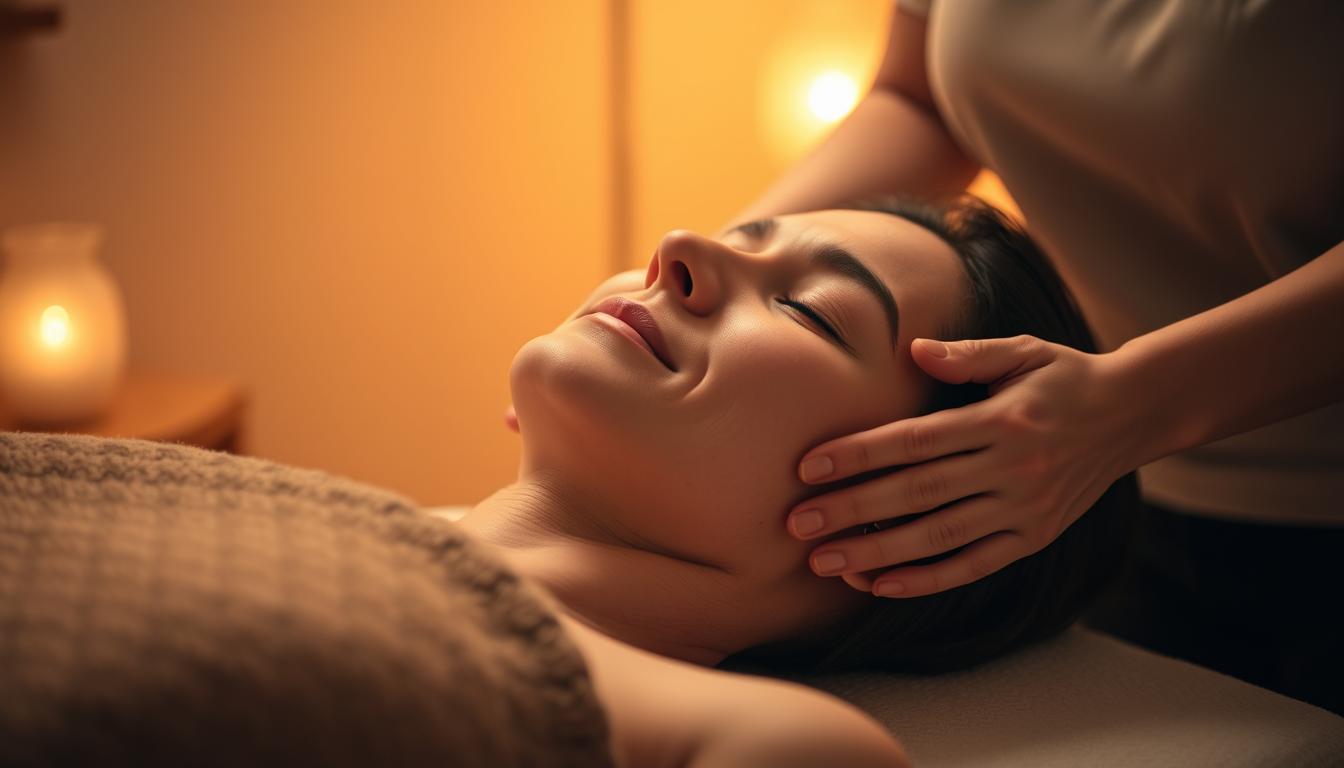
TMJ, Bruxism, Migraine & Jaw Pain Massage is a specialised form of treatment designed to alleviate discomfort and tension in the body. It focuses on addressing specific conditions that cause chronic pain and discomfort.
This therapeutic approach is particularly beneficial for individuals suffering from TMJ-related issues and those experiencing migraine episodes. By applying gentle yet firm techniques, pain massage helps to relax tense muscles and improve overall well-being.
Key Takeaways
- Pain massage therapy is a treatment for chronic pain and tension.
- It is beneficial for TMJ-related issues and migraine relief.
- The therapy involves gentle techniques to relax tense muscles.
- Pain massage improves overall well-being and reduces discomfort.
- It is a specialised form of treatment for specific conditions.
Understanding Pain Massage Therapy
Understanding the intricacies of pain massage therapy is crucial for those seeking relief from chronic pain conditions. Pain massage therapy is a highly specialized form of treatment that focuses on alleviating pain and discomfort through targeted massage techniques.
The Science Behind Pain Massage
Pain massage therapy is grounded in the science of how massage can affect the body’s physiological response to pain. It involves techniques that stimulate blood flow, reduce muscle tension, and promote relaxation. By targeting specific areas of tension, pain massage can help to reduce inflammation and improve range of motion.
- Enhances blood circulation to promote healing
- Relaxes muscle tension to reduce pain
- Stimulates the release of endorphins, the body’s natural painkillers
How Pain Massage Differs from Regular Massage
While regular massage focuses on general relaxation and stress relief, pain massage therapy is specifically designed to address chronic pain conditions. It involves a deeper understanding of the underlying causes of pain and employs targeted techniques to address these issues. For conditions like TMJ disorders, pain massage therapy can be particularly beneficial, offering relief from the associated pain and discomfort.
TMJ, Bruxism, Migraine & Jaw Pain Massage: Our Specialised Approach
Our specialised approach to TMJ, Bruxism, Migraine, and Jaw Pain Massage combines the latest techniques with a deep understanding of facial and jaw anatomy. This comprehensive method allows our therapists to effectively target the root causes of discomfort and pain associated with these conditions.
Targeted Techniques for Facial and Jaw Muscles
Our therapists employ targeted massage techniques designed to ease tension in the facial and jaw muscles. By focusing on specific areas of strain, we can help alleviate the pain and discomfort associated with TMJ disorders, Bruxism, and other jaw-related issues. These techniques are tailored to address the unique needs of each client, ensuring a personalised approach to pain relief.
Customised Treatment Plans for Your Unique Needs
Understanding that each individual’s experience with TMJ, Bruxism, Migraine, and Jaw Pain is unique, we develop customised treatment plans. Our therapists work closely with clients to identify the underlying causes of their pain and develop a tailored strategy for relief. This may involve a combination of massage techniques, lifestyle adjustments, and other therapeutic approaches to achieve optimal results.
By integrating these specialised techniques with a commitment to personalised care, we provide effective relief from the discomforts of TMJ, Bruxism, Migraine, and Jaw Pain. Our goal is to enhance our clients’ quality of life by addressing the root causes of their pain and promoting long-term well-being.
Common Signs You Need Pain Massage Therapy
Identifying the signs that indicate the need for pain massage therapy can be crucial for effective pain management. Chronic pain, migraines, and teeth grinding are just a few indicators that you might benefit from this specialized treatment.
Physical Symptoms to Watch For
Several physical symptoms can signal that it’s time to consider pain massage therapy. These include:
- Persistent jaw pain or tension
- Frequent migraines or headaches
- Teeth grinding or clenching (bruxism)
- Neck and shoulder stiffness
These symptoms often result from muscle tension, stress, or misalignment, which pain massage therapy can effectively address.
| Symptom | Possible Cause | Benefit of Pain Massage |
|---|---|---|
| Jaw Pain | TMJ Disorder, Bruxism | Relaxation of jaw muscles, reduced pain |
| Migraines | Muscle tension, stress | Reduced frequency and severity, improved relaxation |
| Teeth Grinding | Stress, anxiety, misalignment | Relief from tension, reduced grinding |
When to Seek Professional Help
If you’re experiencing any of the aforementioned symptoms regularly, it’s advisable to seek professional help. A qualified therapist can provide a customized pain massage therapy plan tailored to your specific needs.
Don’t wait until the pain becomes unbearable. Early intervention can prevent the condition from worsening and improve your quality of life.
TMJ Disorders and How Massage Therapy Helps
The temporomandibular joint (TMJ) plays a crucial role in our ability to chew, speak, and yawn, but when it becomes dysfunctional, it can cause considerable distress. Temporomandibular joint dysfunction, or TMJ disorder, encompasses a range of symptoms including jaw pain, clicking or locking of the jaw, and difficulty chewing.
Understanding Temporomandibular Joint Dysfunction
TMJ dysfunction occurs when the joint that connects the jawbone to the skull becomes inflamed or irritated. This can be due to various factors such as jaw injuries, teeth grinding or clenching (bruxism), arthritis, or misalignment of the teeth or jaw. Common symptoms include pain or tenderness in the jaw, clicking or grating sounds when opening or closing the mouth, and difficulty or discomfort while chewing.
Massage Techniques for TMJ Relief
Massage therapy is a highly effective treatment for TMJ disorders. Techniques used may include gentle stretching and mobilization of the jaw, massage of the muscles of the face and neck, and trigger point therapy to release tension in the muscles surrounding the TMJ. These techniques help to reduce pain and inflammation, improve jaw mobility, and relax the muscles.
Expected Outcomes from TMJ Massage
With regular massage therapy, individuals with TMJ disorders can expect a reduction in pain and discomfort, improved range of motion of the jaw, and a decrease in the frequency of clicking or locking of the jaw. Some key benefits include:
- Reduced muscle tension
- Improved jaw alignment and function
- Enhanced overall relaxation and well-being
By addressing the root causes of TMJ dysfunction and utilizing targeted massage techniques, individuals can experience significant relief from the symptoms associated with this condition.
Bruxism Treatment Through Massage Therapy
Massage therapy has emerged as a promising treatment for bruxism, offering relief from the symptoms associated with teeth grinding. By targeting the muscles involved in grinding and clenching, massage can help reduce tension and alleviate pain.
The Connection Between Teeth Grinding and Muscle Tension
Teeth grinding, or bruxism, is often linked to increased muscle tension in the face and jaw. Massage therapy targets these areas, helping to relax the muscles and reduce the frequency of grinding. When the muscles are tense, it can lead to a cycle of pain and discomfort, which massage helps to break.
Effective Massage Protocols for Bruxism
Specific massage techniques can be highly effective in treating bruxism. These include trigger point therapy and myofascial release, which target the tense muscles in the jaw and face. By releasing tension in these areas, massage can help reduce the symptoms of bruxism.
Complementary Approaches to Enhance Results
In addition to massage therapy, other approaches can complement treatment for bruxism. These may include stress management techniques, such as meditation or yoga, and the use of a mouthguard at night to prevent grinding. By combining these approaches, individuals can experience enhanced relief from bruxism symptoms.
By integrating massage therapy with these complementary strategies, individuals can achieve significant improvements in their condition, leading to a better quality of life.
Migraine Relief: Targeted Massage Therapy Approaches
Targeted massage therapy is gaining recognition for its potential to provide substantial migraine relief by addressing the root causes of migraine pain.
Understanding the connection between trigger points and migraines is crucial for effective treatment. Trigger points are areas of muscle tissue that become knotted and inflamed, often causing pain in other parts of the body.
Trigger Points and Migraine Connections
Research has shown that trigger points in the neck and shoulder muscles can contribute to the development of migraines. By targeting these areas through massage therapy, individuals can experience significant relief from migraine symptoms.

Preventative Massage Strategies
Preventative massage strategies involve regular massage sessions to reduce muscle tension and alleviate stress, which are common migraine triggers. This proactive approach can help decrease the frequency and severity of migraines.
Combining Massage with Other Migraine Treatments
Combining massage therapy with other migraine treatments, such as medication or physical therapy, can enhance overall treatment outcomes. A comprehensive treatment plan can provide more effective and sustained migraine relief.
| Massage Technique | Benefits for Migraine Relief | Frequency of Sessions |
|---|---|---|
| Deep Tissue Massage | Reduces muscle tension and pain | Bi-weekly |
| Trigger Point Therapy | Targets specific areas of pain | Weekly |
| Swedish Massage | Relaxes muscles and improves circulation | Monthly |
Jaw Pain: Identifying Causes and Applying Massage Solutions
Jaw pain can be a debilitating condition, affecting not just the jaw but also surrounding areas, and understanding its causes is crucial for effective relief. The jaw joint and surrounding muscles are prone to various issues that can lead to discomfort and pain.
Common Sources of Jaw Pain
Jaw pain can stem from several sources, including temporomandibular joint (TMJ) disorders, bruxism (teeth grinding), and muscle tension. TMJ disorders are often caused by misalignment of the jaw joint, while bruxism can lead to strain on the jaw muscles. Stress and anxiety can also contribute to jaw pain by causing muscle tension.
Massage Techniques for Different Types of Jaw Pain
Massage therapy offers various techniques to alleviate jaw pain. For TMJ-related pain, gentle massage around the jaw joint can help reduce tension. For bruxism-induced pain, massage focusing on the temporalis muscle can be beneficial. Techniques may include kneading, gentle stretching, and applying pressure to specific trigger points.
Self-Care Between Professional Treatments
Between professional massage treatments, self-care practices can help manage jaw pain. This includes
- practicing relaxation techniques
- ,
- avoiding chewing hard foods
- , and
- applying heat or cold packs
- to the affected area.
Regularself-massagecan also be beneficial, using gentle circular motions to relax the jaw muscles.
By understanding the causes of jaw pain and utilizing appropriate massage techniques and self-care practices, individuals can find significant relief from this debilitating condition.
Key Benefits of Specialised Pain Massage
The advantages of specialised pain massage extend far beyond temporary relief, promoting overall well-being. This therapeutic approach is designed to address specific pain conditions, offering a range of benefits that can significantly improve one’s quality of life.
Immediate Pain Relief Benefits
One of the most significant advantages of specialised pain massage is the immediate relief it provides from pain. By targeting specific areas of tension, massage therapists can help reduce discomfort and inflammation, allowing individuals to regain mobility and comfort. Techniques such as deep tissue massage and trigger point therapy are particularly effective in this regard.
Long-Term Health Improvements
Beyond immediate relief, specialised pain massage therapy contributes to long-term health improvements. Regular sessions can lead to sustained reductions in pain levels, improved range of motion, and enhanced overall physical function. This proactive approach to pain management can also reduce the need for medication, thereby minimizing potential side effects.

Psychological and Emotional Benefits
In addition to physical benefits, specialised pain massage offers psychological and emotional advantages. The therapeutic touch and personalized care can reduce stress and anxiety, promoting a sense of calm and well-being. This holistic approach to pain management supports both body and mind, fostering a more balanced and healthy lifestyle.
By incorporating specialised pain massage into one’s health regimen, individuals can experience a profound impact on their overall quality of life. Whether seeking relief from chronic pain or aiming to enhance general well-being, this therapeutic approach offers a valuable solution.
What to Expect During Your Pain Massage Session
A pain massage session is a tailored experience designed to address your specific needs and concerns. Understanding the process can help you feel more comfortable and relaxed throughout the treatment.
Pre-Treatment Assessment
Before your massage begins, you’ll undergo a pre-treatment assessment where your therapist will discuss your medical history, areas of pain, and specific concerns. This ensures that the treatment is customized to your needs.
The Treatment Experience
During the massage, your therapist will use various techniques to address your pain points. You can expect a combination of gentle and firm strokes, depending on your comfort level and the areas being treated. Communication is key, so be sure to let your therapist know if you experience any discomfort.
Post-Treatment Care and Recommendations
After your massage, your therapist will provide post-treatment care recommendations to enhance the benefits of your session. This may include stretching exercises, self-care tips, and advice on managing pain between sessions.
| Aspect | Description | Benefits |
|---|---|---|
| Pre-Treatment Assessment | Discussion of medical history and pain areas | Customized treatment plan |
| The Treatment Experience | Varied massage techniques | Relief from pain and tension |
| Post-Treatment Care | Self-care tips and exercises | Enhanced treatment benefits and pain management |
Book Your Pain Massage Appointment Today
Discover the benefits of pain massage therapy with our expert Australian therapists – book your appointment today. Our team is dedicated to providing you with a personalized experience that addresses your unique needs.
Our Qualified Australian Therapists
Our therapists are highly qualified and experienced in providing pain massage therapy. They undergo rigorous training to ensure they are equipped to handle a variety of conditions, from TMJ disorders to bruxism and migraines. You can trust that you’re in good hands with our professionals.
- Extensive experience in pain management
- Continual professional development
- Personalized care tailored to your needs
Treatment Packages and Pricing Options
We offer a range of treatment packages designed to suit different needs and budgets. Whether you’re looking for a single session or a series of treatments, we have options available. Our pricing is transparent, and we’re happy to discuss the best package for you during your initial consultation.
- Initial consultation: Assessment and treatment planning
- Standard package: A series of sessions tailored to your condition
- Premium package: Includes additional therapies such as stretching and strengthening exercises
Preparing for Your First Visit
To ensure you get the most out of your first visit, we recommend arriving a few minutes early to complete any necessary paperwork. Be prepared to discuss your medical history, the nature of your pain, and any previous treatments you’ve undergone. This information will help us tailor the treatment to your specific needs.
Don’t wait any longer to start your journey to a pain-free life. Contact us today to book your appointment and experience the relief that our specialized pain massage therapy can provide.
Conclusion: Taking Control of Your Pain Through Specialised Massage
By incorporating specialised massage techniques into your pain management routine, you can experience significant pain relief and improve your overall well-being. Specialised massage therapy has been shown to be effective in addressing a range of conditions, including TMJ disorders, bruxism, and jaw pain.
Taking control of your pain involves understanding the underlying causes of your discomfort and seeking professional help. Our qualified Australian therapists are dedicated to providing personalised treatment plans tailored to your unique needs, helping you achieve long-term pain relief.
By booking an appointment, you can take the first step towards a pain-free life. Our specialised massage therapy services are designed to help you manage pain, reduce muscle tension, and enhance your overall quality of life. Start your journey to taking control of your pain today.
FAQ
What is pain massage therapy?
Pain massage therapy is a specialised form of massage that targets specific areas of pain and tension in the body, particularly in the jaw, face, and head. It is designed to alleviate conditions such as TMJ disorders, bruxism, migraines, and jaw pain.
How does pain massage therapy differ from regular massage?
Pain massage therapy differs from regular massage in that it is tailored to address specific pain conditions and is often more intense and targeted. It involves techniques that are designed to release tension in specific muscles and improve joint mobility.
What are the benefits of pain massage therapy for TMJ disorders?
Pain massage therapy can help alleviate TMJ disorders by releasing tension in the jaw muscles, improving joint mobility, and reducing pain and inflammation. Regular massage therapy can also help prevent future episodes of TMJ pain.
Can massage therapy help with bruxism?
Yes, massage therapy can help alleviate bruxism by releasing tension in the jaw muscles and improving jaw alignment. It can also help reduce stress and anxiety, which are common contributing factors to bruxism.
How can massage therapy help with migraines?
Massage therapy can help alleviate migraines by releasing trigger points in the neck and scalp, improving blood flow, and reducing stress and tension. Regular massage therapy can also help prevent future migraine episodes.
What can I expect during a pain massage session?
During a pain massage session, you can expect a thorough assessment of your condition, followed by a targeted massage treatment designed to alleviate your specific pain and tension. Your therapist will work with you to develop a personalised treatment plan.
Are the massage therapists qualified and experienced?
Yes, our massage therapists are qualified and experienced in providing pain massage therapy. They have undergone extensive training and have experience working with clients with a range of pain conditions, including TMJ disorders, bruxism, and migraines.
How often should I have pain massage therapy?
The frequency of pain massage therapy will depend on your individual needs and condition. Your therapist will work with you to develop a treatment plan that is tailored to your specific needs and goals.
Can I combine pain massage therapy with other treatments?
Yes, pain massage therapy can be combined with other treatments, such as physical therapy, chiropractic care, or medical treatment. It’s always best to consult with your healthcare provider before starting any new therapy.